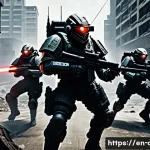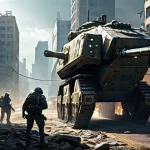
Hey there, fellow commanders! You know that rush when you nail a perfectly executed attack in Age of Z, watching your enemies crumble? Or maybe you’ve felt that frustration when your seemingly strong army gets absolutely decimated because of a tiny strategic oversight.
Trust me, I’ve been there, staring at my shattered defenses and wondering what went wrong. After countless hours battling zombies and rival alliances, I’ve come to realize that deploying your troops effectively isn’t just about having the biggest numbers; it’s an intricate dance of understanding your units, anticipating your opponent, and adapting to the ever-shifting game meta.
The game’s constantly evolving, with new unit combinations and balance changes shaking things up, so what worked like a charm last month might get you wiped out today.
It’s a never-ending puzzle, but one that’s incredibly rewarding to solve! I’ve personally experimented with so many different formations, learning valuable lessons through both epic wins and humbling defeats.
Getting your front, middle, and back lines just right, knowing when to stack snipers or heavy cannons, or even deciding the perfect ratio of shredders to shielders can truly turn the tide.
If you’re tired of seeing your hard-earned troops vanish into thin air, or if you just want to elevate your gameplay to the next level, then you’re in the right place.
Let’s jump into the nitty-gritty and ensure your forces are always battle-ready!
Mastering the Fundamentals: Knowing Your Troops Inside Out
Alright, commanders, let’s dive straight into the heart of the matter: truly understanding the units you’re deploying. I can’t tell you how many times I’ve seen players just throw their highest-tier troops at an enemy base, only to watch them get obliterated because they didn’t understand the underlying mechanics. It’s like trying to win a chess game by only moving your queen – powerful, sure, but easily countered without a cohesive strategy. My personal journey in Age of Z really took off when I stopped just collecting powerful units and started dissecting what each one *actually* does, its strengths, and, more importantly, its glaring weaknesses. Every unit in this game has a specific role, a purpose in the grand scheme of your formation. Ignoring that is like bringing a knife to a gunfight, no matter how shiny that knife is. We’re talking about more than just damage numbers here; it’s about attack type, defense stats, movement speed, and even special abilities that can turn the tide of battle if used correctly. I’ve spent countless hours in the training grounds, just messing around with different combinations, figuring out which units truly synergize and which ones just clutter the battlefield. Trust me, that time investment pays off huge dividends when you’re facing down a tough opponent.
The Power of Specialization: When to Go All In
One of the biggest lessons I’ve learned is knowing when to specialize your army. Sometimes, a balanced approach is best, but there are definitely scenarios where going heavy on a particular unit type can be devastatingly effective. For instance, if I’m scouting an opponent and notice they’re heavily reliant on ground units, I might stack my formation with a higher percentage of snipers and missile launchers to exploit that vulnerability. I remember one alliance war where our intel showed the enemy had a massive force of Shredders. Instead of trying to match them head-on, our alliance commander (who’s a tactical genius, by the way!) advised us to go sniper-heavy, paired with just enough Shielders to buy time. The sheer volume of ranged damage melted their Shredders before they could even reach our core. It felt incredibly satisfying watching their mighty ground forces crumble against our precision strikes. But beware, specialization is a double-edged sword; if your intel is wrong, or if your opponent adapts, you can find yourself in a world of hurt. It’s a calculated risk, but one that can yield massive rewards.
Understanding Unit Counters: The Rock-Paper-Scissors of Age of Z
Forget brute force; true mastery in Age of Z comes from understanding the intricate web of unit counters. It’s not explicitly stated as rock-paper-scissors, but the dynamics are absolutely there. For example, Shredders are fantastic against most ground units, but they can be ripped apart by well-placed ranged units. Heavy Cannons deal incredible splash damage, perfect for clearing out swarms, but they’re vulnerable to fast-moving, single-target damage dealers. It’s about more than just raw power; it’s about applying the right kind of power at the right time. I’ve personally won battles against significantly higher-power opponents just by perfectly countering their troop composition. It’s a rush, honestly! You feel like a true strategist, not just a button masher. This knowledge really comes from experience – getting beaten, dusting yourself off, and analyzing *why* you lost. Did their snipers pick off your valuable tanks too quickly? Maybe you needed more Shredders to tie up their front line. It’s a continuous learning process, but once you start seeing these patterns, your win rate will skyrocket.
The Front Line Fortress: Building an Unbreakable Shield
Your front line isn’t just a meat shield; it’s the foundation of your entire defense and often, your offense too. Think of it as the sturdy wall protecting your precious damage dealers. If your front line crumbles too quickly, your entire formation collapses, and your high-tier units get exposed and shredded. I’ve made that mistake more times than I care to admit, thinking I could skimp on the front line to boost my damage. Big mistake! It always ended with my expensive units being wiped out, leaving me with a hefty repair bill and a bruised ego. A robust front line buys you crucial seconds, allowing your mid and backline to unleash their full potential. It’s not just about stacking the highest defense units; it’s about their interaction with the enemy and their ability to absorb damage efficiently. Some units are better at tanking single-target damage, while others excel at soaking up area-of-effect hits. Getting this balance right is absolutely critical for sustained engagements and long-term success.
Heavy Hitters vs. Speedy Tanks: Choosing Your Lead
When it comes to the front, you’ve got choices. Do you go with the slow, heavily armored behemoths like the Crusher tanks, or do you opt for faster, more agile units like the Shredders that can disrupt enemy formations quickly? My approach often depends on what I’m attacking. If I’m hitting a heavily fortified base with lots of defensive structures, I lean towards Crushers to soak up sustained fire. Their sheer resilience buys so much time. However, if I’m trying to break through a wall of enemy ground troops quickly to get to their vulnerable backline, a strong contingent of Shredders can often push through more effectively. They deal decent damage themselves, too, making them excellent disruptors. I’ve found that a mixed front line, perhaps with a core of Crushers supported by Shredders on the flanks, often gives the best of both worlds – durability and pressure. It’s all about anticipating what the enemy will throw at you and tailoring your lead units accordingly.
Support Units: The Unsung Heroes of the Vanguard
Don’t ever underestimate the power of support units on your front line. While they might not be the flashiest, they are often the glue that holds your entire formation together. Think about your medics, for instance. A few well-placed medic units can dramatically increase the longevity of your front-line tanks, allowing them to absorb even more damage. I’ve personally seen battles turn from sure defeat to a glorious victory just because my medics kept my Shredders alive long enough to break through the enemy’s defenses. Or consider units that apply debuffs to enemies, weakening their attack or defense. These might not seem like much on paper, but in practice, they create openings and magnify the effectiveness of your primary damage dealers. It’s about synergistic effects. My rule of thumb? Always dedicate a small but significant portion of your front-line capacity to these support specialists. They don’t just protect; they empower.
Mid-Field Mayhem: Orchestrating the Offensive Strike
The mid-field, oh, the glorious mid-field! This is where the real fireworks happen, where your primary damage dealers unleash their fury and turn enemy forces into dust. It’s a delicate balance, though. You need enough firepower to make a significant impact, but also enough protection to ensure those precious units aren’t picked off before they can do their job. I’ve experimented endlessly with different mid-line compositions, from heavy artillery concentrations to balanced mixes of infantry and vehicles. What I’ve learned is that flexibility is key. The game meta is always shifting, and what worked last month might get you completely steamrolled today. My most successful mid-line strategies always involve a core group of high-damage units supported by a few utility units that can either provide additional crowd control or help protect the main damage dealers from flanking attacks. It’s all about creating an environment where your heavy hitters can shine without getting instantly focused down.
Damage Dealers: Positioning for Maximum Impact
Your mid-field damage dealers are your heavy artillery, your rapid-fire assault units, and your primary source of enemy annihilation. Positioning them correctly is paramount. You want them close enough to engage the enemy effectively but far enough back to avoid getting caught in the initial front-line skirmish. Snipers, for example, need clear lines of sight, while heavy cannons benefit from hitting tightly packed groups. I’ve found that spreading your damage dealers a bit, rather than clumping them all in one spot, can be beneficial. This way, if one section of your front line collapses, not all of your damage output is instantly exposed. I once stacked all my Gatling Soldiers in one spot, thinking it would create a terrifying wall of bullets. It did, for about five seconds, until an enemy heavy cannon’s splash damage wiped them all out in a single salvo. Lesson learned: diversification in positioning is just as important as diversification in unit types. My current go-to involves having a primary damage pocket, usually central, with smaller, supporting damage units slightly offset to the sides.
Crowd Control: Disabling Your Opponent’s Key Assets
Beyond raw damage, your mid-field is also where you can deploy crucial crowd-control units. These aren’t always the flashy, high-DPS units, but they are absolutely vital for disrupting enemy formations and protecting your own. Think about units that can stun, slow, or debuff. They create windows of opportunity for your main damage dealers. I’ve had incredible success using units that can apply a widespread stun, effectively freezing a significant portion of the enemy army, allowing my snipers to pick them off with impunity. It’s a beautiful thing to watch! It’s not just about offense, but also about limiting the enemy’s ability to retaliate or advance. These units might seem like a small investment, but their tactical impact is enormous. I generally aim for at least one or two dedicated crowd-control units in my mid-line, depending on the enemy composition. They act as force multipliers, making every other unit in your army more effective.
Backline Brilliance: Snipers, Cannons, and Ranged Dominance
Ah, the backline – the unsung heroes who dish out devastating damage from a safe distance, often deciding the fate of the battle. This is where your long-range artillery, elite snipers, and high-tech missile launchers truly shine. Ignoring your backline or failing to protect it is a rookie mistake I’ve thankfully learned to avoid after several painful defeats. These units are usually squishy, meaning they can’t take much punishment, but their damage output is unparalleled. Your entire strategy should revolve around keeping them alive and allowing them to fire unhindered for as long as possible. A well-protected and optimized backline can single-handedly clear out entire enemy waves, even when your front and mid-lines are struggling. I always allocate a significant portion of my army power to these units, knowing that their sustained damage is what ultimately secures the victory. It’s about careful placement and understanding their range and targeting priorities.
Protecting Your Assets: Keeping the Damage Flowing
Your backline units are your most valuable, yet most vulnerable, assets. Protecting them is paramount. This means ensuring your front and mid-lines are doing their job effectively, preventing enemy units from reaching your ranged attackers. But beyond that, you might need specific units or tactics to shield them. Sometimes, I’ll deploy a small contingent of faster, light vehicles on the flanks of my backline. These aren’t meant to tank, but rather to intercept any stray enemy units that manage to break through, buying precious seconds for my snipers to eliminate the threat. Another strategy I’ve used is to utilize terrain features if available in certain battlegrounds, positioning my backline behind natural obstacles that offer some cover. It’s about creating layers of defense, ensuring that no enemy unit has a clear shot at your precious damage dealers. Remember, a single lost sniper or missile launcher can significantly reduce your overall offensive capability.
Artillery vs. Snipers: When to Deploy What
The eternal debate: heavy artillery or precision snipers in the backline? Both are incredibly powerful, but they serve different tactical purposes. Artillery, like Missile Launchers, excel at area-of-effect damage, perfect for clearing out large groups of lower-health units or softening up multiple targets simultaneously. I love using them when I see a concentrated blob of enemy infantry or when I need to quickly take down defensive structures. Snipers, on the other hand, are surgical strikes. They pick off high-priority targets with incredible precision and damage, often ignoring defense values. If an opponent has particularly dangerous individual units—say, an elite tank or a powerful hero unit—snipers are my go-to. My strategy usually involves a mix: a core of snipers for focused damage on key threats, supplemented by a few artillery pieces for crowd control and overall damage amplification. It’s like having both a scalpel and a sledgehammer at your disposal – choosing the right tool for the job.
Adapting and Overcoming: Reading the Battlefield
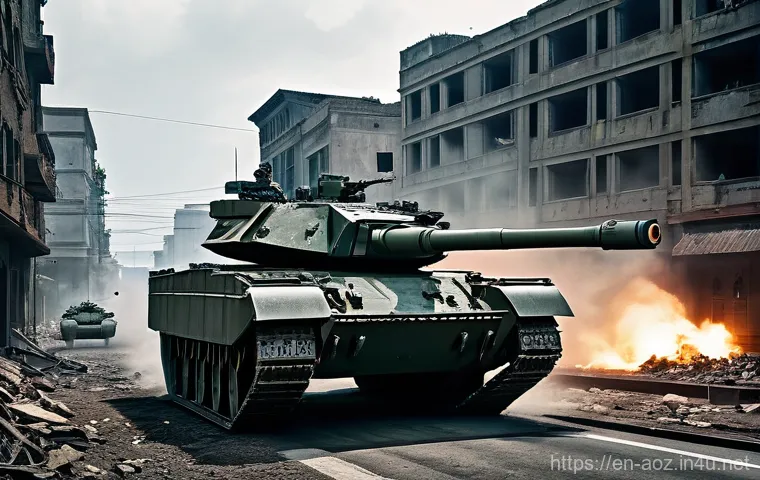
No matter how meticulously you plan your troop deployment, the battlefield is a dynamic environment, always throwing curveballs. The best commanders aren’t just those who plan well, but those who can adapt on the fly. I’ve walked into battles with what I thought was an ironclad strategy, only to realize within the first 30 seconds that the enemy’s composition was completely different from what my scouts reported, or that their hero skills were synergizing in an unexpected way. That’s when you have to be ready to pivot. It’s exhilarating, challenging, and frankly, what makes Age of Z so incredibly engaging. Sticking rigidly to your initial plan when it’s clearly failing is a recipe for disaster. This means constantly observing the flow of battle, identifying where your forces are struggling, and making mental (or in some cases, actual) adjustments to target priorities or even withdrawing and re-engaging if necessary. It’s a continuous learning curve, but one that hones your tactical instincts like nothing else.
Scouting Reports: Your Blueprint for Victory
Before you even deploy a single troop, your scouting report is your most valuable asset. Seriously, never underestimate it! It provides the blueprint of the enemy’s base, troop composition, defensive structures, and even their hero lineup. Ignoring this intel is like walking into a dark room blindfolded – you’re just asking for trouble. I always take a solid five minutes, sometimes more, just poring over the scouting report. I’m looking for weak points, concentrations of specific unit types, and potential bottlenecks. Is their front line weak against air? Do they have a lot of anti-air defenses that would chew up my helicopters? Does their hero specialize in boosting ground units? All of these questions directly influence my troop deployment. My early game losses were often because I rushed into battles without properly analyzing the scout report. Now, it’s non-negotiable. It’s the closest thing we get to seeing the future in Age of Z, and you’d be foolish not to take full advantage of it.
Dynamic Adjustments: Shifting Formations Mid-Battle
While you can’t physically move your troops once they’ve been deployed in a direct attack, the concept of “dynamic adjustments” still absolutely applies. This comes down to targeting priorities and understanding how your units will engage. If you see your front line getting chewed up faster than anticipated, it might mean you need to quickly assess which enemy units are doing the most damage and adjust your focus fire from your snipers or heavy cannons to eliminate those threats first. Or perhaps an enemy flanking maneuver is threatening your backline; in that case, you might need to prioritize bringing down those specific flanking units, even if it means momentarily ignoring a higher-value target in the center. It’s a mental agility exercise, constantly re-evaluating the most pressing threat and directing your firepower accordingly. The best players are always thinking two steps ahead, anticipating how the battle will unfold and subtly influencing it with their targeting choices.
Beyond the Basics: Advanced Tactics for Elite Commanders
Once you’ve got the fundamentals down—knowing your units, establishing solid front, mid, and backlines, and adapting to the battlefield—that’s when you can start delving into the really juicy, advanced stuff. This is where you separate yourself from the average player and begin to dominate. It’s not just about what units you bring, but how they interact with your hero skills, with your alliance mates, and even how you manipulate the enemy’s AI. These are the subtle nuances that often go unnoticed by casual players but are absolutely critical for high-level play. I’ve spent countless hours in theory-crafting sessions with my alliance mates, dissecting battle reports and trying to find those tiny edges that can swing a fight. It’s a continuous process of learning, experimenting, and refining, but man, is it rewarding when you pull off a perfectly executed advanced tactic that absolutely stumps your opponent!
Hero Skills Synergy: Maximizing Your Commander’s Abilities
Your hero isn’t just a pretty face; their skills are incredibly powerful and, when synergized correctly with your troop deployment, can turn an ordinary army into an unstoppable force. I’ve seen commanders completely ignore their hero’s active and passive skills, effectively leaving a huge portion of their power on the table. Don’t be that commander! For instance, if your hero has skills that heavily boost ground unit attack, it makes sense to lean more heavily on Shredders or Crushers in your formation. If they provide a massive defense buff to ranged units, then stacking snipers and missile launchers becomes even more potent. It’s about building your army around your hero’s strengths. My personal strategy always involves carefully selecting a hero whose skills complement my preferred troop types or the specific tactical objective. It’s not just about having a powerful hero; it’s about making sure your hero and your troops are singing from the same hymn sheet, amplifying each other’s effectiveness exponentially. This synergy is a game-changer, trust me.
Alliance Warfare: Coordinated Attacks and Defense
While individual battles are important, Age of Z is ultimately an alliance game. True mastery in troop deployment extends to how you coordinate with your alliance mates. A perfectly executed joint attack, where multiple commanders hit a single target with complementary troop compositions, is a thing of beauty. For example, one player might go heavy on anti-air to clear out an enemy’s air force, while another brings a ground-heavy assault to smash through their front line, and a third focuses on ranged damage to pick off vital defenses. It’s like a well-oiled machine! I’ve been part of alliance attacks where the sheer coordination made us feel invincible, taking down targets that would have been impossible for any single player. Similarly, coordinated defense, where alliance members reinforce each other’s bases with specific unit types to plug gaps, is crucial. It’s about understanding the bigger picture, communicating effectively, and knowing how your individual troop deployment contributes to the overall alliance objective. This collective strategy elevates the game to an entirely different level.
Optimizing Your Gains: Smart Deployments for Resource Raids
Let’s be real, a huge part of Age of Z is about resource gathering and raiding. And believe it or not, your troop deployment for a resource raid can be just as critical as for a full-blown attack on a capital. It’s not just about winning; it’s about winning *efficiently*, minimizing losses, and maximizing your gains. I’ve seen players send their absolute best, most expensive units to raid a small resource tile, only to suffer heavy losses from a hidden defensive unit. That’s a net loss, folks! Smart commanders understand that different objectives call for different deployments. You want to use just enough force to secure the win with minimal damage, preserving your high-tier units for the more important battles. It’s a mindset shift from pure destruction to calculated extraction. My personal approach to resource raids has evolved significantly over time, becoming far more economical and strategic.
Minimizing Losses: The Key to Sustainable Growth
When you’re raiding resource tiles or weaker bases, the primary goal isn’t just to win, but to minimize your troop losses. Every unit lost costs resources and time to replace, slowing down your overall progress. I’ve personally developed specific “farming” formations that consist of a good balance of lower-tier, cheaper units that can handle most resource tiles or lightly defended bases without suffering significant casualties. If I anticipate stronger resistance, I might swap in a few mid-tier units, but I always prioritize keeping my elite forces out of harm’s way unless absolutely necessary. It’s about making a profit from every raid. If your troop repair costs outweigh the resources you gain, you’re doing it wrong! This strategy ensures a sustainable growth model for your base, allowing you to constantly replenish and upgrade your army without draining your hard-earned resources. Think smart, not just strong.
Targeting Vulnerabilities: Striking Where It Hurts Most
Even in resource raids, understanding the enemy’s vulnerabilities can make a huge difference in efficiency. Some resource tiles might have specific defensive units that are easily countered by a certain troop type. For instance, if a tile has a strong ground defense, I might send a slightly higher ratio of ranged units, even if it’s just basic Snipers or Missile Launchers, to clear them out quickly and minimize damage to my front line. Or if I’m hitting a slightly more fortified player base for resources, I’ll still do a quick scout to see if they’ve left any obvious gaps in their defenses. Maybe their anti-air is weak, making a quick helicopter raid super effective. It’s about being opportunistic and not just sending the same cookie-cutter army every single time. By tailoring your deployment, even for these seemingly minor engagements, you ensure quicker victories, fewer losses, and ultimately, a more prosperous base. Every little bit of strategic thinking adds up, making you a more effective and feared commander in the long run.
| Unit Type | Primary Role | Best Use Cases | Common Countered By |
|---|---|---|---|
| Shredders (Ground Melee) | Front-line disruption, moderate damage, fast engagement | Breaking enemy ground lines, targeting mid-field, fast raids | High-damage ranged units, heavy splash damage |
| Crushers (Ground Tank) | Heavy front-line tanking, damage absorption | Sustained defense against ground attacks, pushing through defenses | Armor-piercing units, focus fire from multiple sources |
| Snipers (Ranged DPS) | Single-target high damage, precision strikes | Eliminating high-priority targets (tanks, heroes, other snipers) | Fast-moving melee units that reach backline, area-of-effect damage |
| Missile Launchers (Ranged Artillery) | Area-of-effect (AoE) damage, structure destruction | Clearing large groups of units, taking down defensive buildings | Fast-moving melee units, units with high single-target burst |
| Gatling Soldiers (Mid-Range DPS) | Sustained damage, suppressing fire | Supporting front line, clearing mid-field units | Heavy splash damage, long-range snipers |
| War Machines (Air Units) | Flexible damage, bypassing front lines, anti-ground | Targeting backline units, engaging ground defenses | Strong anti-air units (AA tanks, specialized defenses) |
글을마치며
And there you have it, fellow commanders! We’ve journeyed through the intricate world of troop deployment in Age of Z, from knowing your individual units to orchestrating grand alliance strategies. It’s a game that constantly challenges you, pushing you to refine your tactical mind, and honestly, that’s what makes it so incredibly addictive. Remember, every battle is a learning opportunity, and every defeat is just a stepping stone to a smarter, more devastating victory. So, take these insights, apply them to your own gameplay, and go out there and dominate! The battlefield awaits your brilliant leadership, and I can’t wait to hear about your epic triumphs!
알아두면 쓸모 있는 정보
Here are a few extra nuggets of wisdom I’ve picked up over my countless hours in Age of Z – little things that often get overlooked but can make a massive difference in your journey to becoming a top commander:
1. Don’t underestimate the power of regular research. Seriously, those tech upgrades in your Research Lab might seem minor individually, but cumulatively, they provide insane buffs to your troops, resource production, and overall base defense. I’ve seen players hit walls just because they neglected their research, thinking raw troop power was enough. It’s not, believe me. Consistent investment here pays off in dividends down the line, giving you a fundamental edge against your opponents.
2. Always be on the lookout for hidden unit synergies. Beyond the obvious counters, some units just “click” together in unexpected ways, especially when combined with specific hero skills or alliance buffs. Experimenting in practice drills or even during smaller raids can reveal incredibly potent combinations you might never have considered. I once stumbled upon a setup where a certain support unit’s shield ability perfectly complemented a typically squishy but high-damage unit, making them far more resilient than they should have been. Keep that creative spark alive!
3. Join an active and communicative alliance. This isn’t just about having friends; it’s about strategic collaboration. Sharing intel, coordinating attacks, and reinforcing each other during defenses are absolutely vital for progression, especially in higher-level gameplay. I wouldn’t be half the player I am today without the tactical discussions and support from my alliance mates. They’ve saved my bacon more times than I can count, and we’ve celebrated countless victories together. It’s a team game at its heart.
4. Prioritize your hero’s development wisely. While troops are your army, your hero is your general, and their abilities can dramatically swing battles. Focus on upgrading hero skills that directly benefit your primary troop compositions or address your biggest weaknesses. Don’t spread your hero experience thin; pick a main hero or two and pour your resources into them. A high-level hero with maxed-out relevant skills can be the single most impactful unit on the battlefield, trust me on this one – I’ve seen my hero turn impossible situations into stunning victories.
5. Never stop scouting and adapting. The meta is always shifting, new units get introduced, and players discover new strategies. What worked brilliantly last month might be obsolete today. Stay curious, watch battle reports of successful players, and always scout your opponents thoroughly. Don’s just assume; *know*. That critical five-minute intel review before an attack has saved me from countless disastrous deployments. Flexibility and a willingness to learn are truly your most powerful weapons in Age of Z.
중요 사항 정리
To wrap things up, let’s distill the essence of what we’ve covered today into a few crucial takeaways that every aspiring Age of Z commander should etch into their tactical mind. First and foremost, understanding your units inside out isn’t just a suggestion; it’s the bedrock of all successful strategies. Knowing each unit’s strengths, weaknesses, and optimal roles allows you to move beyond simple brute force and into truly intelligent gameplay. You wouldn’t send a doctor to fight a fire, and you shouldn’t send a sniper to tank a frontline, right?
Secondly, remember the fundamental principle of balanced deployment across your front, mid, and backlines. Each section of your formation has a vital role to play, and neglecting any one of them will create a gaping vulnerability. Your front line absorbs punishment, your mid-line brings the primary damage and crowd control, and your backline delivers the decisive long-range blows. A cohesive army isn’t just a collection of powerful units; it’s a symphony of specialized roles working in harmony. This balance is what often separates a temporary victory from sustained dominance.
Finally, and perhaps most critically, cultivate the mindset of constant adaptation and learning. The battlefield is dynamic, and relying on static strategies will only lead to frustration. Scout diligently, analyze the enemy, and be prepared to adjust your tactical thinking on the fly. Embrace the challenge of understanding unit counters, leveraging hero synergies, and coordinating with your alliance. These advanced tactics, born from experience and careful observation, are what elevate a good player to an elite commander. Keep experimenting, keep learning, and your empire will flourish!
Frequently Asked Questions (FAQ) 📖
Q: What are the most common troop deployment mistakes you’ve seen, especially for players looking to really up their game in
A: ge of Z? A1: Oh man, where do I even begin with this one? I’ve made my fair share of face-palm mistakes, and I’ve seen countless others do the same.
If I had to pick the absolute biggest pitfall, it’s underestimating the importance of a balanced front line. Too many players, myself included when I was starting out, just throw their strongest units forward without thinking about how they synergize.
You need a mix of high-HP tanks and units that can absorb initial damage while your damage dealers in the back warm up. Another huge blunder is ignoring unit counters.
You can have the most powerful Shredders, but if you’re sending them against a heavy anti-Shredder defense, they’re going to get melted. I learned this the hard way during a particularly brutal alliance war where my go-to Shredder-heavy formation got absolutely annihilated because I didn’t scout properly for their anti-vehicle setup.
Always, always check what your opponent is packing and tailor your deployment to exploit their weaknesses, not just rely on your strengths. And please, for the love of all that’s good, don’t forget your support units!
A well-placed medic or engineer can turn the tide faster than you think by keeping your key units alive longer. It’s not just about offense; defense and sustain are equally crucial.
Q: The game meta in
A: ge of Z feels like it’s constantly shifting! How do you personally stay on top of new unit combinations, hero releases, and balance changes to keep your strategies effective?
A2: You’re absolutely right, it’s a never-ending dance, isn’t it? What worked brilliantly last month might get you laughed off the map today. For me, staying current is a mix of observation, experimentation, and good old community chatter.
First, I always make it a point to check out the official patch notes as soon as they drop. They’re usually pretty dry, but they tell you exactly what’s been buffed, nerfed, or changed.
Then, I spend a lot of time observing the top players in my server and even on YouTube. I’m not ashamed to admit I’ve spent hours poring over battle reports from our alliance’s strongest members, trying to figure out their secret sauce.
I look for patterns in their deployments, new unit combinations they’re trying, and how they adapt to different opponents. Beyond that, honestly, it’s all about getting your hands dirty.
I often run “test” attacks against weaker zombie lairs or even friendly alliance members (with their permission, of course!) just to see how new unit formations or hero skills interact.
There’s nothing quite like direct experience to solidify what you’ve learned. Plus, I’m a huge fan of our alliance’s Discord server; bouncing ideas off other seasoned commanders and discussing upcoming strategies is invaluable.
It helps us all collectively figure out the new “best” way to deploy our forces.
Q: When it comes to the nitty-gritty of balancing front, middle, and back lines, especially with so many unit types, what’s your go-to approach for optimizing their ratios and placement?
A: Ah, the million-dollar question! This is where the real tactical genius comes in, and it’s something I’ve constantly refined over hundreds of battles.
My general philosophy is that your front line is your shield, your middle line is your hammer, and your back line is your precision strike. For the front, I usually aim for a solid 25-30% of my total troops to be dedicated tanks like Heavy Cannons or Super Tanks.
They’re there to soak up that initial burst damage and give my other units time to get into position. Personally, I’ve found that having a couple of Shredders mixed in with my Heavy Cannons helps soften up any direct melee threats before they reach my middle line.
My middle line, about 40-50% of my force, is where my main damage dealers live – think Mortars, War Bikers, or even some specialized Rocket Launchers.
This is the core that needs protection but also needs to dish out consistent damage. I tend to position them slightly behind my tanks, ensuring they’re firing away without being directly exposed.
Finally, the back line, around 20-30%, is for my high-precision, often slower-firing units like Snipers, or crucial support like Medics. These guys are designed to pick off high-value targets or keep my other units alive, so protecting them is paramount.
I’ll sometimes even throw a small contingent of Fast Attackers in the back as well, ready to flank or deal with any enemy units that manage to break through my main lines.
The exact ratios will shift based on your target – more tanks for heavily fortified bases, more DPS for player-versus-player combat – but that general framework has rarely failed me.